
Handbook on Pharma Cubicle Classification and Facility Design.
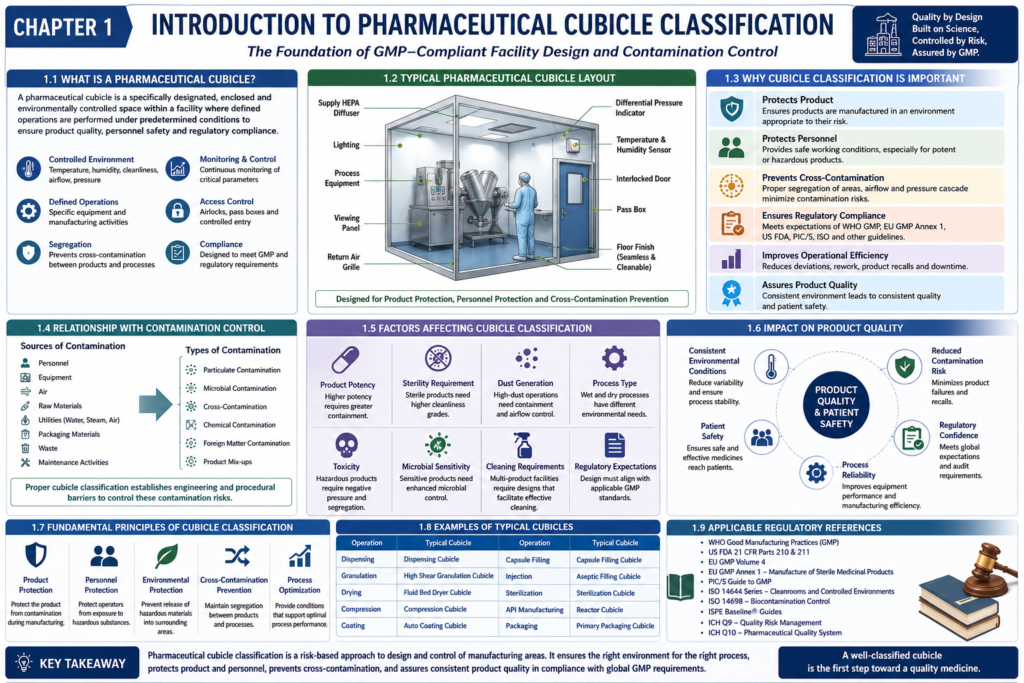
Chapter 1-Introduction to Pharmaceutical Cubicle Classification 1.1 Introduction Pharmaceutical manufacturing is one of the most highly regulated industries in the

Chapter 1-Introduction to Pharmaceutical Cubicle Classification 1.1 Introduction Pharmaceutical manufacturing is one of the most highly regulated industries in the
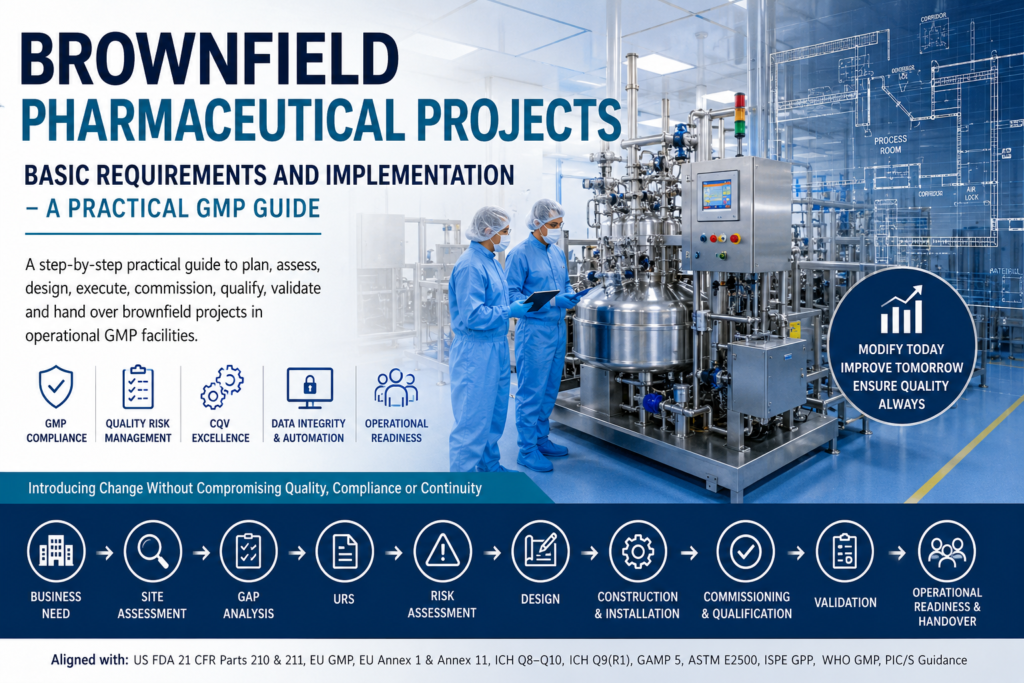
Introduction Pharmaceutical manufacturing facilities must continuously evolve to accommodate new products, increase capacity, replace aging equipment, adopt automation, improve compliance,
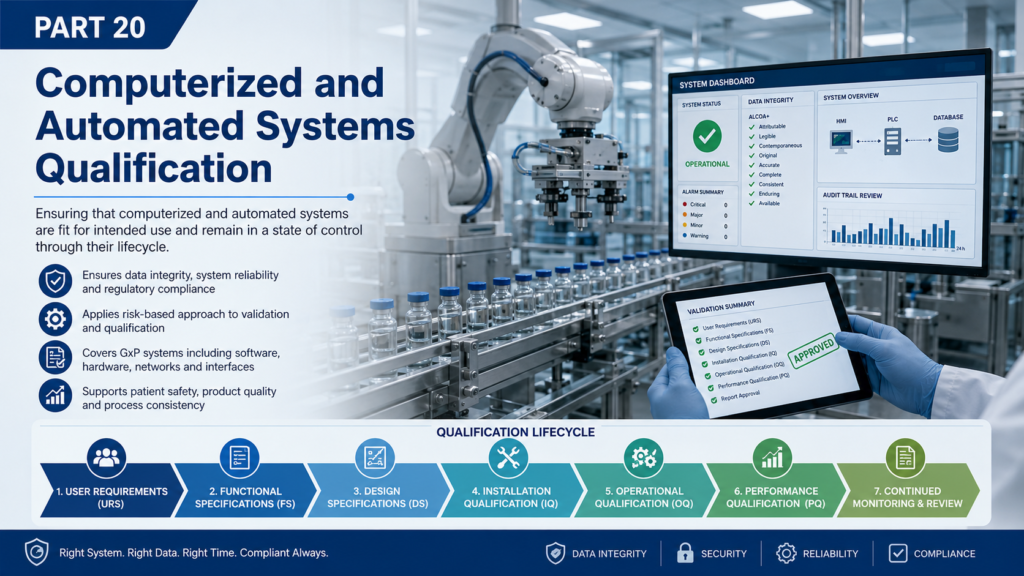
Modern pharmaceutical equipment increasingly depends on computerized and automated functions for process control, monitoring, alarms, recipes, electronic records, data acquisition,
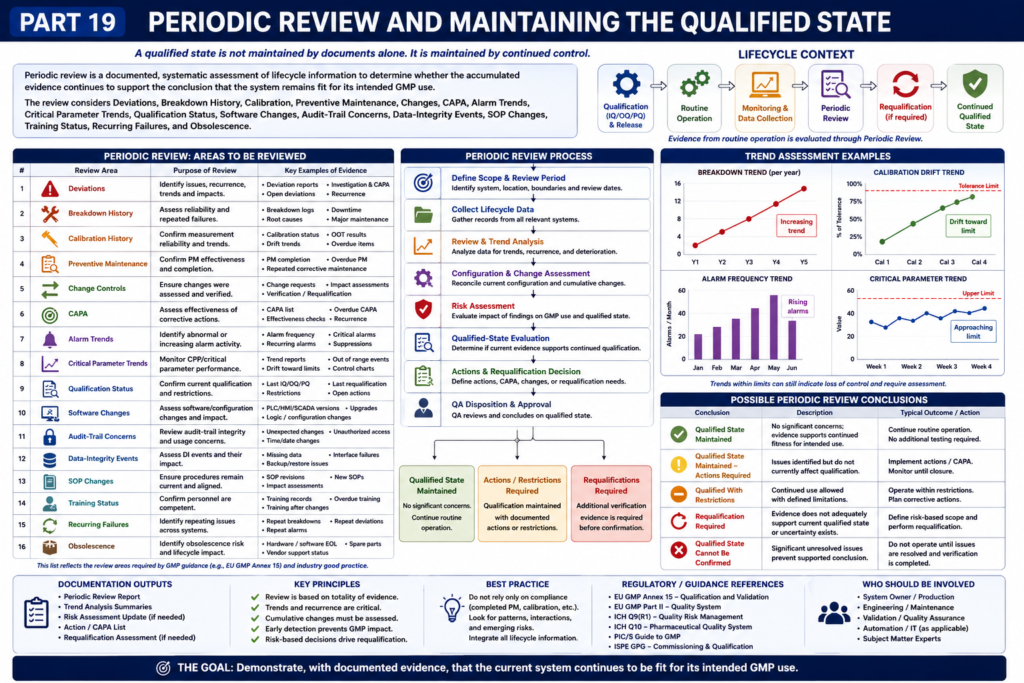
Part 19 Initial qualification demonstrates that a facility, utility, equipment, or system is suitable for its defined intended use at
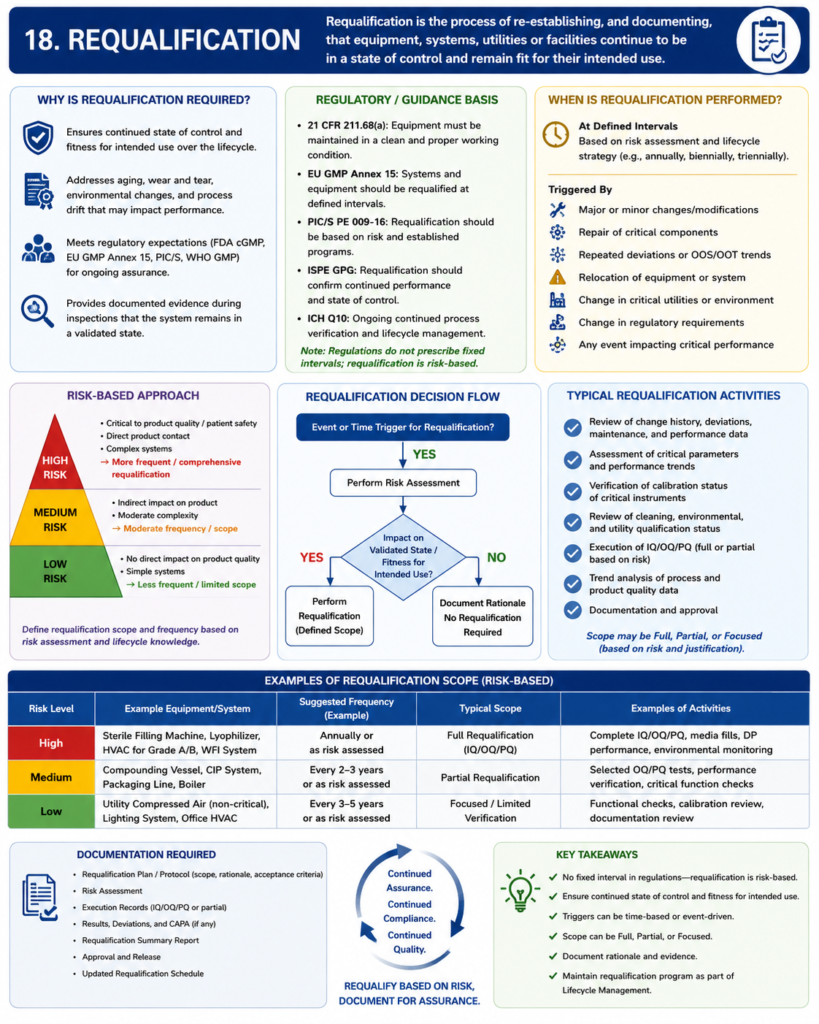
Requalification is the documented evaluation and, where justified, repeat verification of a previously qualified facility, utility, equipment, or system to
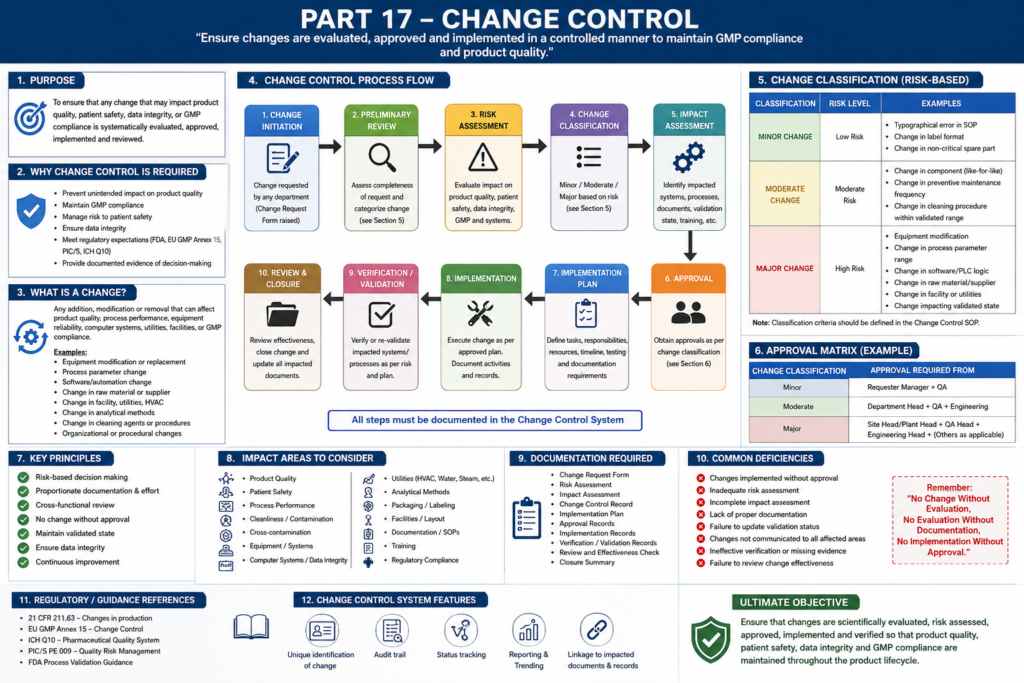
Part 17 Change control is one of the principal mechanisms for maintaining the qualified state after a facility, utility, equipment,
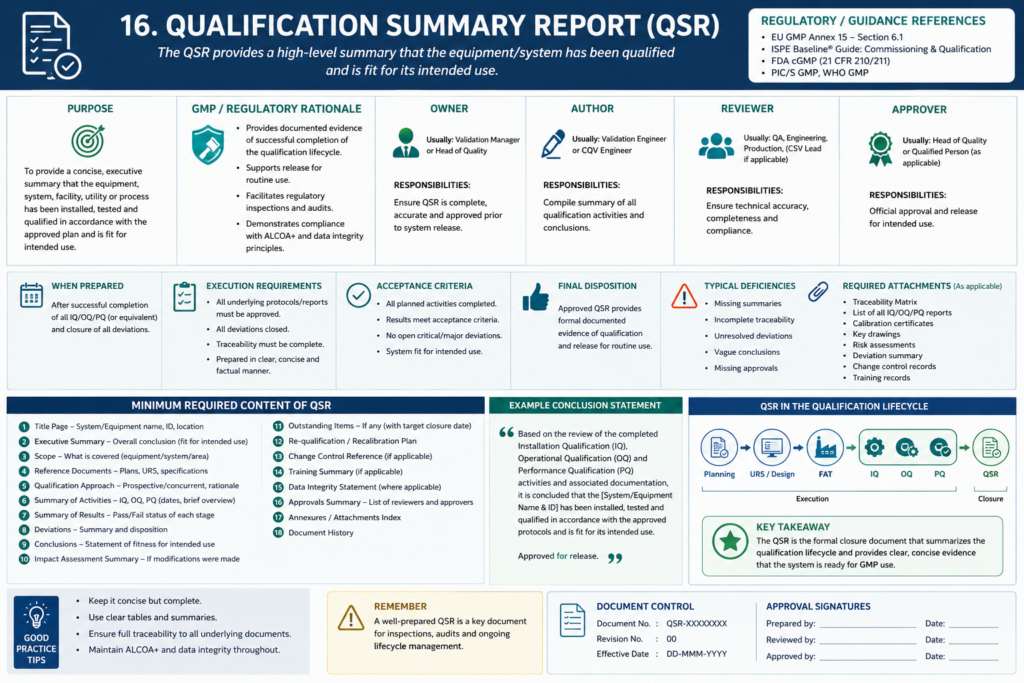
Part 16 The Qualification Summary Report (QSR) is the principal lifecycle-closure document used to consolidate, assess, and conclude whether qualification
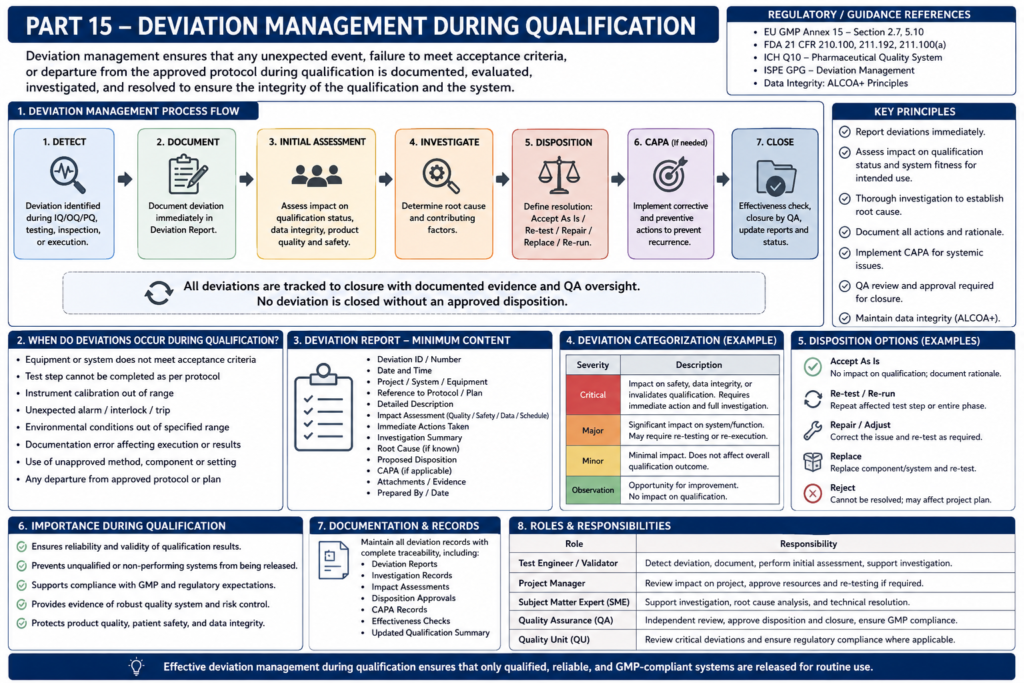
Part 15 Deviation management is a critical component of qualification because qualification testing is specifically intended to determine whether a
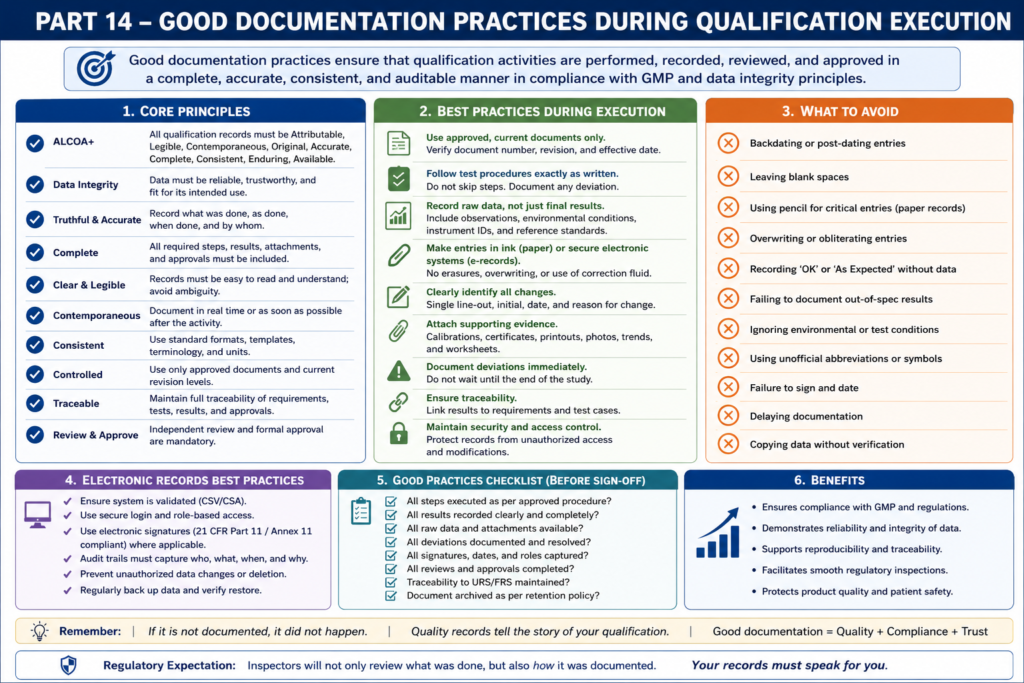
Part 14 The governing principle is: If an activity was performed during qualification, the qualification record should provide reliable, attributable,
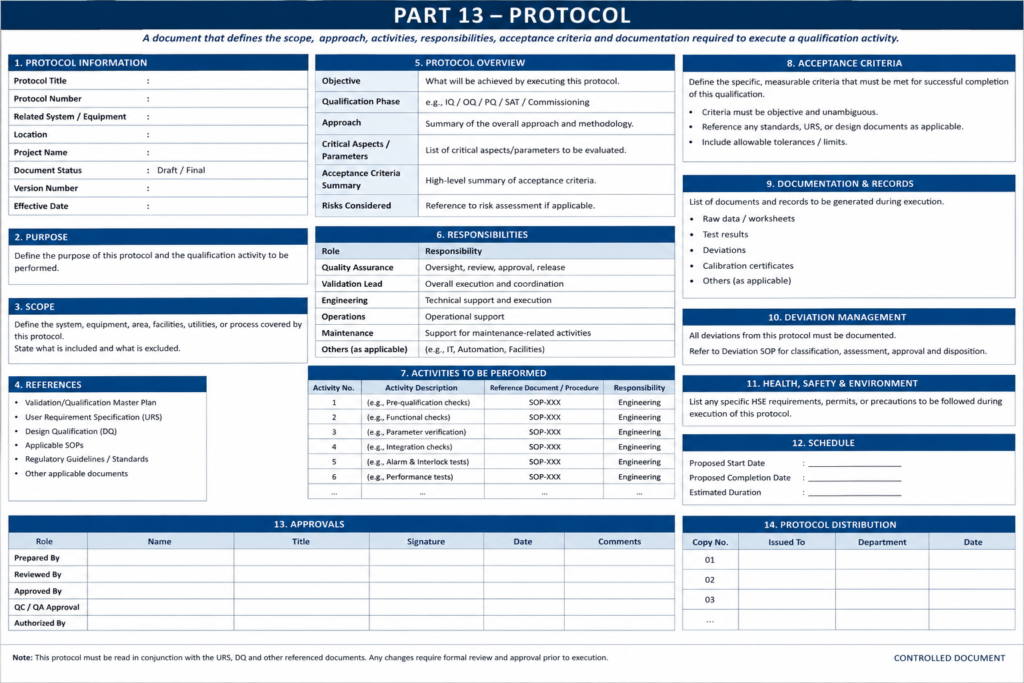
Part 13 The protocol converts the qualification strategy into executable evidence: Requirement → Risk → Test Objective → Test Method