
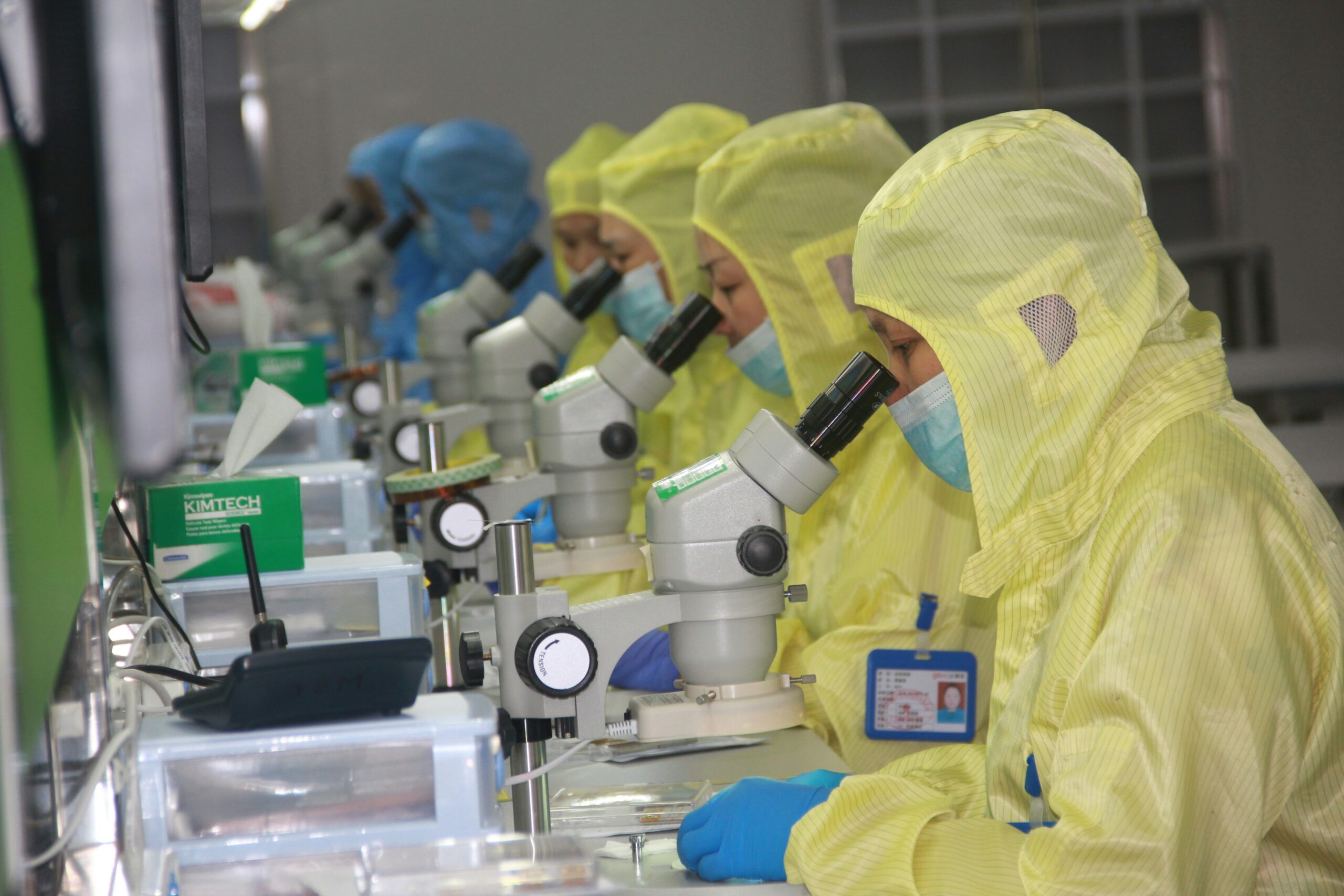
Good Manufacturing Practice (GMP) is a system that ensures pharmaceutical products are consistently produced and controlled according to quality standards.
GMP helps pharmaceutical companies:
- maintain product quality,
- avoid contamination,
- ensure patient safety,
- and comply with regulatory requirements.
Why Is GMP Important?
Medicines directly affect human health. Poor manufacturing practices can lead to:
- contamination,
- incorrect dosage,
- product recalls,
- and regulatory action.
Therefore, GMP is mandatory in pharmaceutical manufacturing.
Key Components of GMP
1. Documentation
Every activity must be properly documented according to SOPs and regulatory guidelines.
2. Hygiene
Personnel and manufacturing areas must maintain proper cleanliness and hygiene.
3. Equipment Validation
Machines and equipment should consistently perform according to predefined standards.
4. Training
Employees must receive regular GMP and operational training.
5. Quality Control
Raw materials, in-process samples, and finished products must be tested before release.
Regulatory Authorities
Major regulatory agencies include:
- USFDA
- WHO
- MHRA
- CDSCO
Benefits of GMP
- Improves product quality
- Enhances patient safety
- Reduces manufacturing errors
- Supports regulatory compliance
- Builds company reputation
Conclusion
GMP forms the foundation of pharmaceutical manufacturing. Strong GMP practices improve product quality, patient safety, and operational excellence in the pharmaceutical industry.
About the Author
Ramesh Palav is a pharmaceutical manufacturing professional with 21+ years of experience in Oral Solid Dosage manufacturing, production operations, GMP compliance, qualification, validation, QMS and operational excellence. Through Pharma Manufacturing Hub, he shares practical industry knowledge with pharmaceutical professionals, students and manufacturing leaders.
Published on: 22/06/2026