
Transforming Diabetes Management, Obesity Treatment, and the Future of Metabolic Healthcare
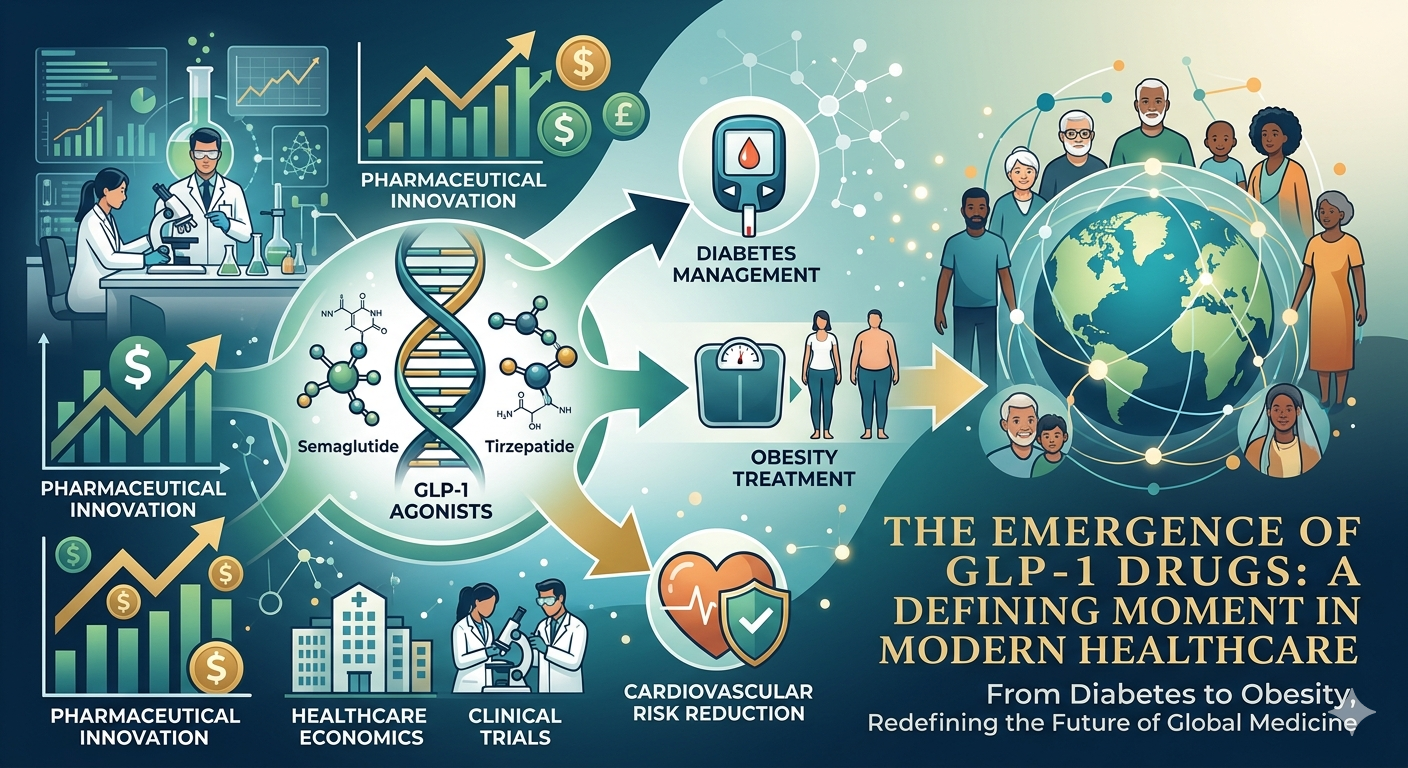
The global healthcare industry is witnessing one of the most significant therapeutic revolutions in modern medicine through the rise of GLP-1 drugs. Originally developed for diabetes management, these therapies have rapidly evolved into powerful tools for obesity treatment, cardiovascular risk reduction, and broader metabolic healthcare transformation. Drugs such as Semaglutide and Tirzepatide have become central to discussions across pharmaceutical innovation, biotechnology investment, healthcare policy, and chronic disease management.
The growing demand for weight loss drugs and advanced metabolic therapies has reshaped pharmaceutical manufacturing priorities, accelerated research and development pipelines, and sparked unprecedented market growth. Healthcare providers, pharmaceutical companies, regulators, and investors now view incretin therapy as one of the most commercially and clinically impactful therapeutic categories of the decade.
This article explores the science, clinical applications, market impact, safety considerations, and future potential of GLP-1 therapies in modern healthcare.
Introduction to GLP-1 Drugs
What is GLP-1?
GLP-1, or Glucagon-Like Peptide-1, is a naturally occurring incretin hormone produced in the intestines following food intake. It plays a crucial role in regulating blood glucose levels, appetite, digestion, and energy balance.
GLP-1 belongs to a class of hormones known as incretins, which help coordinate the body’s metabolic response after meals. The hormone stimulates insulin secretion when glucose levels rise and reduces excessive glucagon release, thereby improving hypoglycemic control.
However, natural GLP-1 has a very short half-life because it is rapidly degraded by the enzyme DPP-4 (dipeptidyl peptidase-4). Pharmaceutical researchers developed GLP-1 receptor agonists to mimic the effects of native GLP-1 while providing longer-lasting therapeutic benefits.
Role of Incretin Hormones in the Human Body
Incretin hormones, mainly GLP-1 and GIP (glucose-dependent insulinotropic polypeptide), are essential regulators of postprandial metabolism. Their primary functions include:
- Enhancing glucose-dependent insulin secretion
- Suppressing glucagon production
- Slowing gastric emptying
- Reducing appetite and food intake
- Supporting satiety signaling in the brain
These combined actions improve glucose utilization while also contributing to weight regulation. Dysfunction in incretin pathways is commonly associated with obesity and Type 2 Diabetes Mellitus (T2DM).
Evolution of GLP-1 Receptor Agonists in Modern Medicine
The first generation of GLP-1 receptor agonists emerged in the early 2000s primarily as injectable diabetes therapies. Over time, pharmaceutical innovation led to:
- Longer-acting weekly formulations
- Improved cardiovascular outcome profiles
- Enhanced patient convenience
- Oral peptide formulations
- Dual and triple agonist therapies
Today, GLP-1 therapies represent one of the fastest-growing segments in the global pharmaceutical industry.
Major pharmaceutical companies are heavily investing in next-generation incretin therapies to expand treatment indications beyond diabetes and obesity into cardiovascular disease, fatty liver disease, sleep apnea, and regenerative disorders.
Growing Global Demand for GLP-1 Therapies
The increasing prevalence of obesity and Type 2 diabetes has fueled demand for effective metabolic healthcare solutions.
Key growth drivers include:
- Rising global obesity rates
- Increasing diabetes prevalence
- Demand for non-surgical weight loss solutions
- Strong clinical efficacy data
- Cardiovascular health benefits
- Expanding physician adoption
- Social and consumer awareness
The popularity of GLP-1 drugs has also expanded into mainstream healthcare conversations due to their significant weight reduction outcomes and widespread media attention.
Mechanism of Action
How GLP-1 Drugs Work in the Body
GLP-1 receptor agonists mimic the physiological effects of endogenous GLP-1 by binding to GLP-1 receptors located in multiple organs including the pancreas, gastrointestinal tract, and brain.
Their glucose-dependent mechanism makes them particularly attractive because they reduce the risk of hypoglycemia compared with older diabetes medications.
Effects on Insulin Secretion and Glucagon Suppression
GLP-1 therapies stimulate insulin release only when blood glucose levels are elevated. Simultaneously, they suppress glucagon secretion, reducing hepatic glucose production.
This dual mechanism contributes to:
- Improved hypoglycemic stability
- Reduced fasting glucose levels
- Lower HbA1c values
- Reduced postprandial glucose spikes
These benefits make incretin therapy highly effective in modern diabetes management strategies.
Impact on Gastric Emptying and Appetite Control
One of the defining characteristics of GLP-1 drugs is their influence on appetite regulation.
These medications slow gastric emptying, meaning food remains in the stomach longer. This produces prolonged satiety and reduced caloric intake.
Additionally, GLP-1 receptor activation affects appetite centers in the hypothalamus, helping patients experience:
- Reduced hunger
- Earlier fullness
- Lower food cravings
- Improved portion control
Relationship Between GLP-1 Therapy and Weight Reduction
Weight loss associated with GLP-1 drugs is not simply a secondary effect of improved glucose control. Instead, these therapies directly target pathways involved in energy balance and appetite regulation.
Clinical studies have shown substantial weight reduction in patients receiving GLP-1 therapies, especially at higher obesity-treatment doses.
This has transformed the therapeutic landscape for obesity management, historically limited by poor efficacy and safety concerns associated with older weight-loss medications.
Major GLP-1 Drugs in the Market
Semaglutide
Semaglutide is among the most recognized GLP-1 therapies globally. It is approved for both Type 2 diabetes and chronic weight management.
Key advantages include:
- Once-weekly dosing
- Significant HbA1c reduction
- Strong cardiovascular outcome data
- Substantial weight loss efficacy
- Availability in injectable and oral forms
Semaglutide has become a benchmark in obesity treatment and metabolic healthcare innovation.
Tirzepatide
Tirzepatide represents a newer class of dual incretin therapy targeting both GIP and GLP-1 receptors.
Clinical trials demonstrated remarkable efficacy in:
- Glycemic control
- Body weight reduction
- Metabolic parameter improvement
Many experts consider tirzepatide a major advancement in next-generation metabolic therapeutics.
Liraglutide
Liraglutide was one of the earliest GLP-1 drugs approved for obesity treatment in addition to diabetes management.
Its clinical success established the foundation for future incretin-based therapies.
Dulaglutide
Dulaglutide gained widespread clinical adoption due to its once-weekly administration and cardiovascular benefits.
It remains an important therapy in diabetes management protocols worldwide.
Other Emerging GLP-1 Therapies
Several emerging therapies are currently under clinical development, including:
- Triple receptor agonists
- Longer-duration injectable formulations
- Ultra-potent obesity treatments
- Oral peptide delivery systems
- Combination metabolic therapies
These innovations may further improve patient outcomes and treatment adherence.
Comparison of Oral vs Injectable Formulations
Injectable GLP-1 therapies currently dominate the market due to superior bioavailability and efficacy.
However, oral formulations are gaining popularity because they offer:
- Improved patient convenience
- Reduced injection-related anxiety
- Enhanced adherence potential
Oral peptide technology represents a major pharmaceutical innovation challenge due to peptide instability and poor gastrointestinal absorption.
Applications in Diabetes Management
Role in Type 2 Diabetes Treatment
GLP-1 receptor agonists have become integral components of modern Type 2 diabetes treatment guidelines.
They are particularly beneficial for patients with:
- Obesity
- Cardiovascular disease
- High HbA1c levels
- Insulin resistance
- Multiple metabolic risk factors
Glycemic Control Benefits
Clinical benefits include:
- Lower HbA1c levels
- Reduced fasting plasma glucose
- Improved postprandial glucose control
- Lower hypoglycemia risk
- Better long-term metabolic stability
Many endocrinologists now prioritize GLP-1 therapies before initiating insulin therapy in suitable patients.
Cardiovascular Risk Reduction
One of the most important breakthroughs associated with GLP-1 drugs is cardiovascular protection.
Large cardiovascular outcome trials demonstrated reductions in:
- Major adverse cardiovascular events (MACE)
- Stroke risk
- Cardiovascular mortality
- Heart failure complications
These findings significantly expanded the therapeutic value of GLP-1 therapies beyond glucose control alone.
Advantages Over Traditional Diabetes Medications
Compared with older diabetes treatments such as sulfonylureas or insulin, GLP-1 therapies offer several advantages:
- Lower hypoglycemia risk
- Weight reduction instead of weight gain
- Cardiovascular benefits
- Improved patient adherence
- Reduced insulin dependency
These features contribute to growing physician preference for incretin therapy.
Combination Therapies and Personalized Treatment Approaches
Modern diabetes management increasingly emphasizes personalized medicine.
GLP-1 drugs are often combined with:
- SGLT2 inhibitors
- Basal insulin
- Metformin
- Lifestyle interventions
Combination approaches can optimize hypoglycemic control while minimizing side effects.
Impact on Obesity and Weight Management
Rising Obesity Epidemic Worldwide
Obesity has become one of the largest public health challenges globally.
Associated complications include:
- Type 2 diabetes
- Cardiovascular disease
- Hypertension
- Sleep apnea
- Fatty liver disease
- Cancer risk increases
Healthcare systems are urgently seeking effective long-term obesity treatment strategies.
GLP-1 Drugs as Obesity Management Solutions
GLP-1 receptor agonists have dramatically changed obesity treatment paradigms.
Unlike earlier weight-loss drugs with limited efficacy, modern GLP-1 therapies produce clinically meaningful and sustained weight reduction.
Many patients achieve double-digit percentage body weight loss when therapy is combined with lifestyle modification.
Clinical Trial Outcomes and Weight-Loss Data
Large-scale clinical trials demonstrated substantial efficacy for semaglutide and tirzepatide in obesity management.
Observed benefits included:
- Significant body weight reduction
- Improved waist circumference
- Better hypoglycemic markers
- Reduced blood pressure
- Improved lipid profiles
These outcomes have elevated GLP-1 drugs to the forefront of metabolic healthcare innovation.
Long-Term Sustainability and Patient Adherence
Despite impressive results, long-term adherence remains a challenge.
Factors affecting sustainability include:
- Gastrointestinal side effects
- Medication costs
- Insurance limitations
- Injection fatigue
- Weight regain after discontinuation
Healthcare providers must therefore emphasize long-term lifestyle support alongside pharmacological therapy.
Lifestyle Modification Alongside Therapy
GLP-1 drugs are most effective when combined with:
- Nutritional counseling
- Physical activity
- Behavioral interventions
- Sleep optimization
- Stress management
Comprehensive obesity care remains essential for durable metabolic improvement.
Impact on the Pharmaceutical and Healthcare Industry
Market Growth and Global Sales Trends
The GLP-1 market has become one of the most valuable pharmaceutical sectors globally.
Analysts project continued multi billion-dollar growth driven by:
- Expanding patient populations
- New indications
- Increased healthcare adoption
- Direct-to-consumer awareness
- Broader reimbursement coverage
Major pharmaceutical companies are rapidly scaling production capacity to meet unprecedented demand.
Influence on Pharmaceutical R&D and Innovation
The success of GLP-1 therapies has transformed pharmaceutical R&D priorities.
Current research focuses on:
- Dual and triple agonists
- Precision metabolic medicine
- Oral peptide delivery
- Longer-acting formulations
- AI-driven drug discovery
This surge in pharmaceutical innovation is reshaping metabolic disease research globally.
Manufacturing Demand and Supply Chain Expansion
Demand for GLP-1 drugs has created major manufacturing challenges.
Companies are expanding:
- Peptide synthesis capabilities
- Fill-finish operations
- Cold chain logistics
- Injectable device manufacturing
- Contract manufacturing partnerships
The rapid growth has also increased opportunities for CDMOs and biotechnology manufacturing providers.
Growth Opportunities for Biotech and CDMO Sectors
Biotechnology firms and contract development and manufacturing organizations (CDMOs) are experiencing strong growth due to rising demand for peptide therapeutics.
Key opportunity areas include:
- Sterile manufacturing
- Peptide API production
- Injectable packaging systems
- Autoinjector technology
- Clinical manufacturing support
Impact on Healthcare Economics and Insurance Systems
While GLP-1 drugs offer substantial health benefits, their high costs raise economic concerns.
Healthcare systems must balance:
- Drug affordability
- Long-term disease prevention savings
- Insurance reimbursement policies
- Population-level obesity management strategies
Some insurers remain cautious regarding long-term obesity treatment coverage due to budget impact considerations.
Regulatory and Compliance Considerations
FDA, EMA, and Global Regulatory Approvals
Regulatory agencies worldwide have rapidly evaluated GLP-1 therapies due to their growing public health significance.
Approvals often include:
- Diabetes indications
- Chronic weight management
- Cardiovascular risk reduction claims
Regulators continue to monitor safety data as utilization expands globally.
Pharmacovigilance and Post-Marketing Surveillance
Because GLP-1 therapies are used chronically and across large populations, pharmacovigilance remains critical.
Manufacturers must continuously monitor:
- Adverse event reporting
- Long-term safety outcomes
- Rare complications
- Real-world evidence data
Labeling, Safety Monitoring, and Risk Management
Regulatory compliance requires:
- Accurate product labeling
- Clear contraindications
- Patient safety warnings
- Risk mitigation strategies
- Ongoing clinical data review
Healthcare professionals must ensure appropriate patient selection and monitoring.
GMP and Manufacturing Quality Considerations
GLP-1 drug manufacturing involves highly sophisticated pharmaceutical processes.
Critical GMP considerations include:
- Sterile manufacturing controls
- Peptide stability management
- Cold-chain integrity
- Device compatibility
- Process validation
- Data integrity and quality assurance
As demand increases, maintaining manufacturing quality becomes increasingly important.
Safety, Risks, and Challenges
Common Side Effects
The most common side effects associated with GLP-1 therapies are gastrointestinal in nature.
These include:
- Nausea
- Vomiting
- Diarrhea
- Constipation
- Abdominal discomfort
Dose escalation strategies are often used to improve venerability.
Gastrointestinal Complications
Delayed gastric emptying may occasionally contribute to more serious gastrointestinal concerns in susceptible individuals.
Healthcare providers must carefully evaluate patient history and ongoing symptoms during treatment.
Concerns Related to Pancreatitis and Thyroid Risks
Although uncommon, concerns have been raised regarding:
- Pancreatitis risk
- Gallbladder disease
- Thyroid C-cell tumors in animal studies
Ongoing research continues to evaluate long-term safety profiles.
Drug Affordability and Accessibility Challenges
One of the largest barriers to widespread access is affordability.
Challenges include:
- High treatment costs
- Insurance restrictions
- Global supply shortages
- Unequal healthcare access
These issues raise important healthcare equity considerations.
Ethical Concerns Regarding Off-Label Usage
The popularity of GLP-1 drugs for cosmetic weight loss has sparked ethical discussions regarding:
- Drug shortages for diabetic patients
- Social media-driven demand
- Medicalization of body image
- Prescribing appropriateness
Healthcare systems must balance therapeutic innovation with responsible clinical practice.
Future of GLP-1 Therapies
Next-Generation Obesity and Diabetes Treatments
The future pipeline includes highly advanced metabolic therapies such as:
- Triple hormone agonists
- Precision-targeted incretin therapies
- Combination metabolic platforms
- Gene-based metabolic interventions
These therapies may deliver even greater efficacy with improved venerability.
Oral Peptide Innovations
Oral peptide delivery represents one of the most exciting pharmaceutical innovation areas.
Future technologies may improve:
- Bioavailability
- Dosing convenience
- Patient adherence
- Global treatment accessibility
This could significantly expand the adoption of incretin therapy worldwide.
AI and Precision Medicine Integration
Artificial intelligence is increasingly influencing metabolic healthcare through:
- Predictive patient stratification
- Personalized treatment selection
- Clinical outcome modeling
- Drug discovery acceleration
- Real-world evidence analytics
AI-driven precision medicine may optimize GLP-1 therapy effectiveness for individual patients.
Potential Applications Beyond Diabetes and Obesity
Researchers are investigating GLP-1 therapies for additional indications including:
- Nonalcoholic steatohepatitis (NASH)
- Cardiovascular disease
- Chronic kidney disease
- Neurodegenerative disorders
- Sleep apnea
- Addiction management
This broad therapeutic potential could further transform healthcare delivery.
Future Trends in Metabolic Healthcare
Future metabolic healthcare will likely involve integrated treatment ecosystems combining:
- Pharmacotherapy
- Digital health platforms
- AI-driven monitoring
- Personalized nutrition
- Preventive medicine approaches
GLP-1 therapies may become foundational components of chronic disease prevention and management strategies.
Conclusion
The emergence of GLP-1 drugs marks a defining moment in modern healthcare and pharmaceutical innovation. What began as a therapeutic strategy for diabetes management has rapidly evolved into a transformative approach for obesity treatment, cardiovascular risk reduction, and broader metabolic healthcare improvement.
Therapies such as semaglutide and tirzepatide have demonstrated that effective, science-driven interventions can significantly improve patient outcomes while reshaping healthcare priorities worldwide. Their impact extends far beyond endocrinology, influencing pharmaceutical manufacturing, biotechnology investment, healthcare economics, clinical research, and regulatory policy.
Despite challenges involving affordability, accessibility, long-term adherence, and ethical considerations, the future of incretin therapy remains exceptionally promising. Ongoing innovation in oral peptide technologies, AI-integrated precision medicine, and next-generation metabolic therapeutics is expected to further expand the role of GLP-1 therapies in chronic disease management.
As healthcare systems continue confronting rising rates of obesity, diabetes, and metabolic disorders, GLP-1 therapies are poised to become central pillars of future medical practice. Their continued evolution reflects a broader shift toward preventive, personalized, and patient-centered healthcare — a transformation that may redefine the future of global medicine for decades to come.
About the Author
Ramesh Palav is a pharmaceutical manufacturing professional with 21+ years of experience in Oral Solid Dosage manufacturing, production operations, GMP compliance, qualification, validation, QMS and operational excellence. Through Pharma Manufacturing Hub, he shares practical industry knowledge with pharmaceutical professionals, students and manufacturing leaders.
Published on: 12/07/2026
Pingback: India’s GLP-1 Revolution: ₹15,700 Crore Opportunity.